
Paraphraser.io Pricing, Plans & Workflow Fit
Paraphraser.io is best treated as a practical rewriting and writing-support suite, not a magic originality button. The core value is fast text rephrasing with multiple modes, language support, and adjacent tools such as plagiarism checking, grammar checking, summarizing, essay writing, AI humanizing, and API access. It fits buyers who rewrite text often enough to care about limits, speed, and workflow convenience.
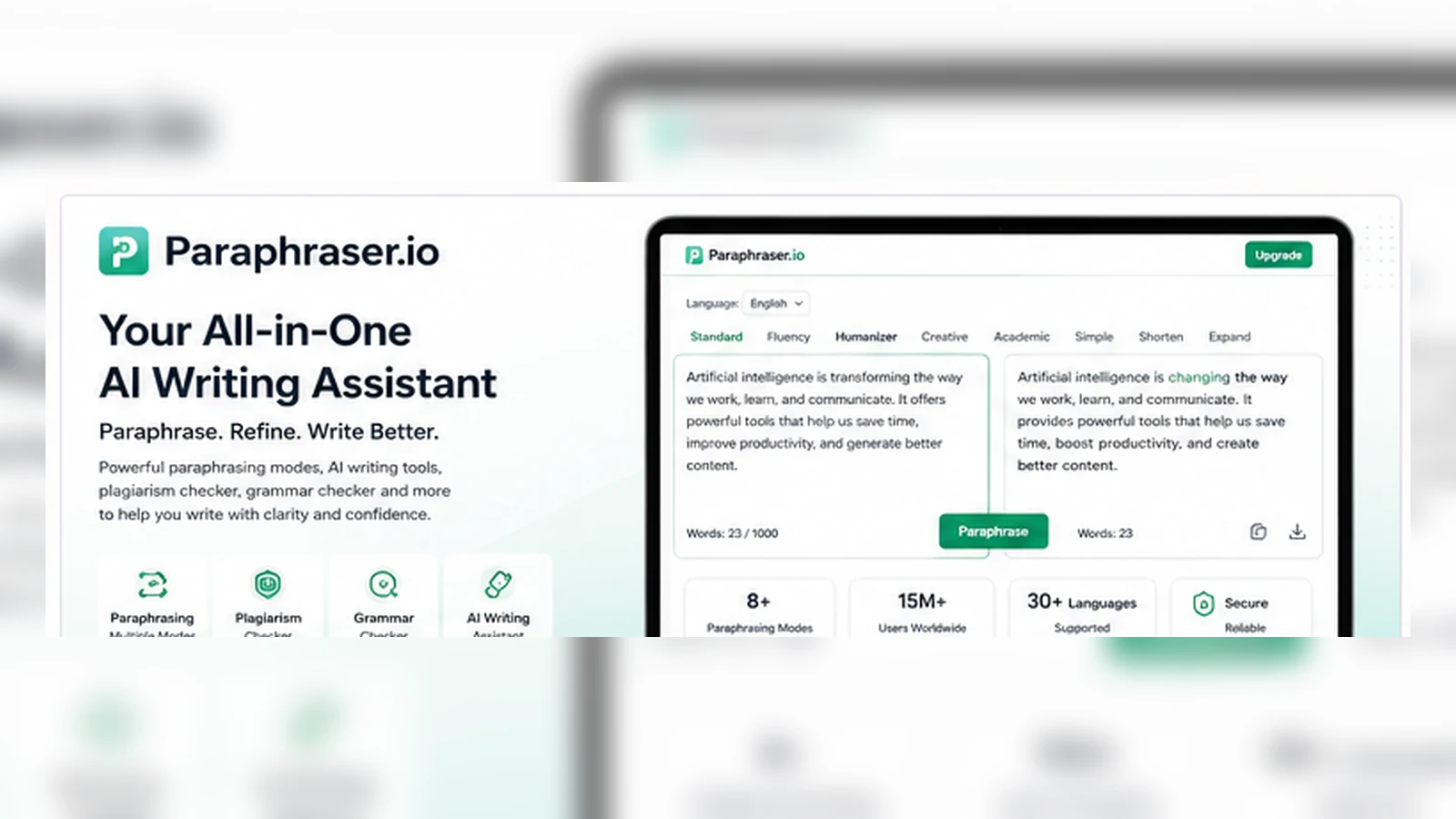
Fit → price → checkout
Use these routes after the official-site check: coupon first, review for fit, compare if unsure.
Paraphraser.io pricing snapshot
Fast commercial checks before pricing, coupons, or a deeper review.
Paraphraser.io product tour
These visuals help buyers evaluate the real purchase question: whether Paraphraser.io is just a quick rewrite tab for occasional use or a paid writing utility with enough limits, modes, and API value to justify upgrading.
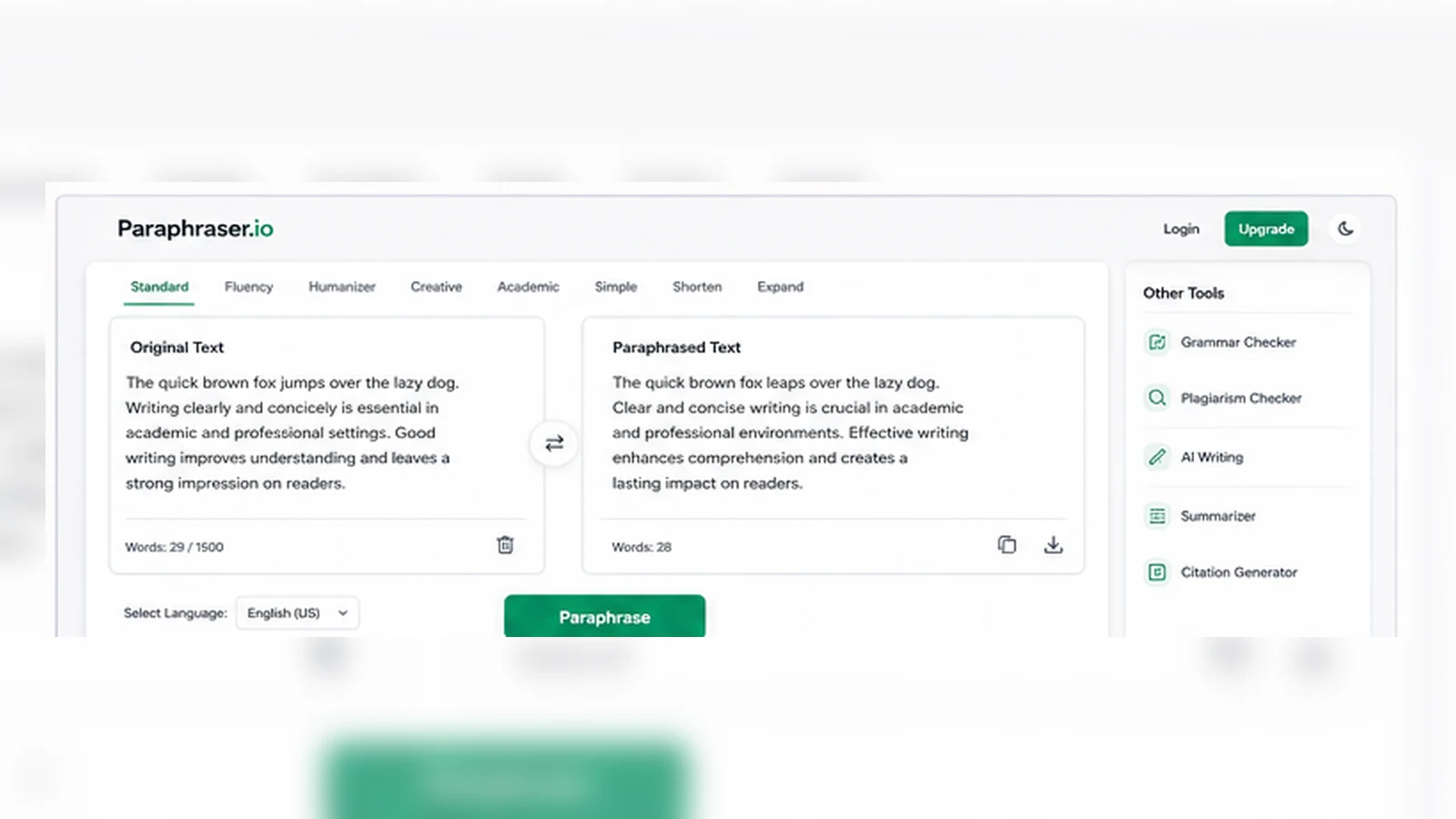
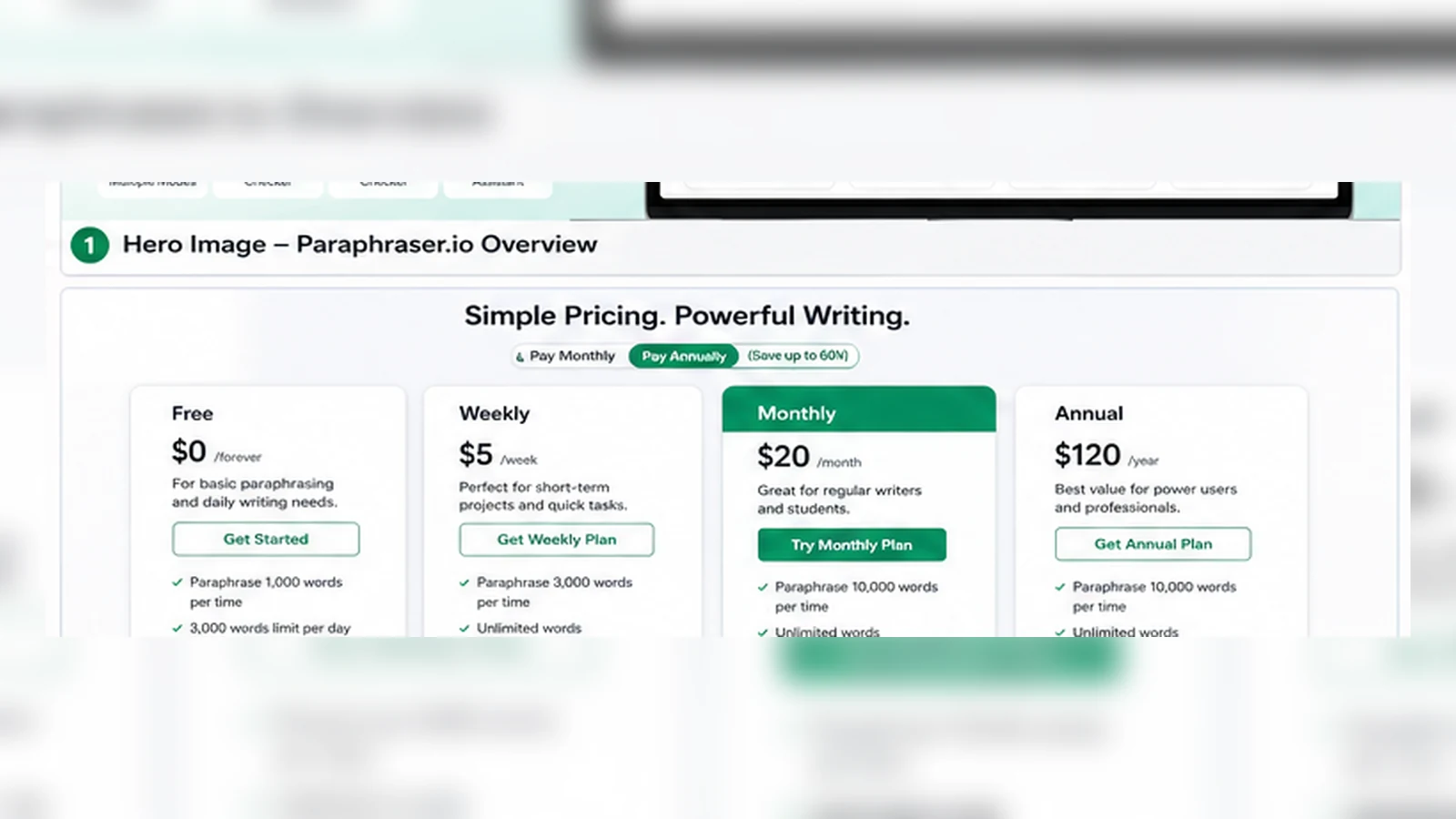
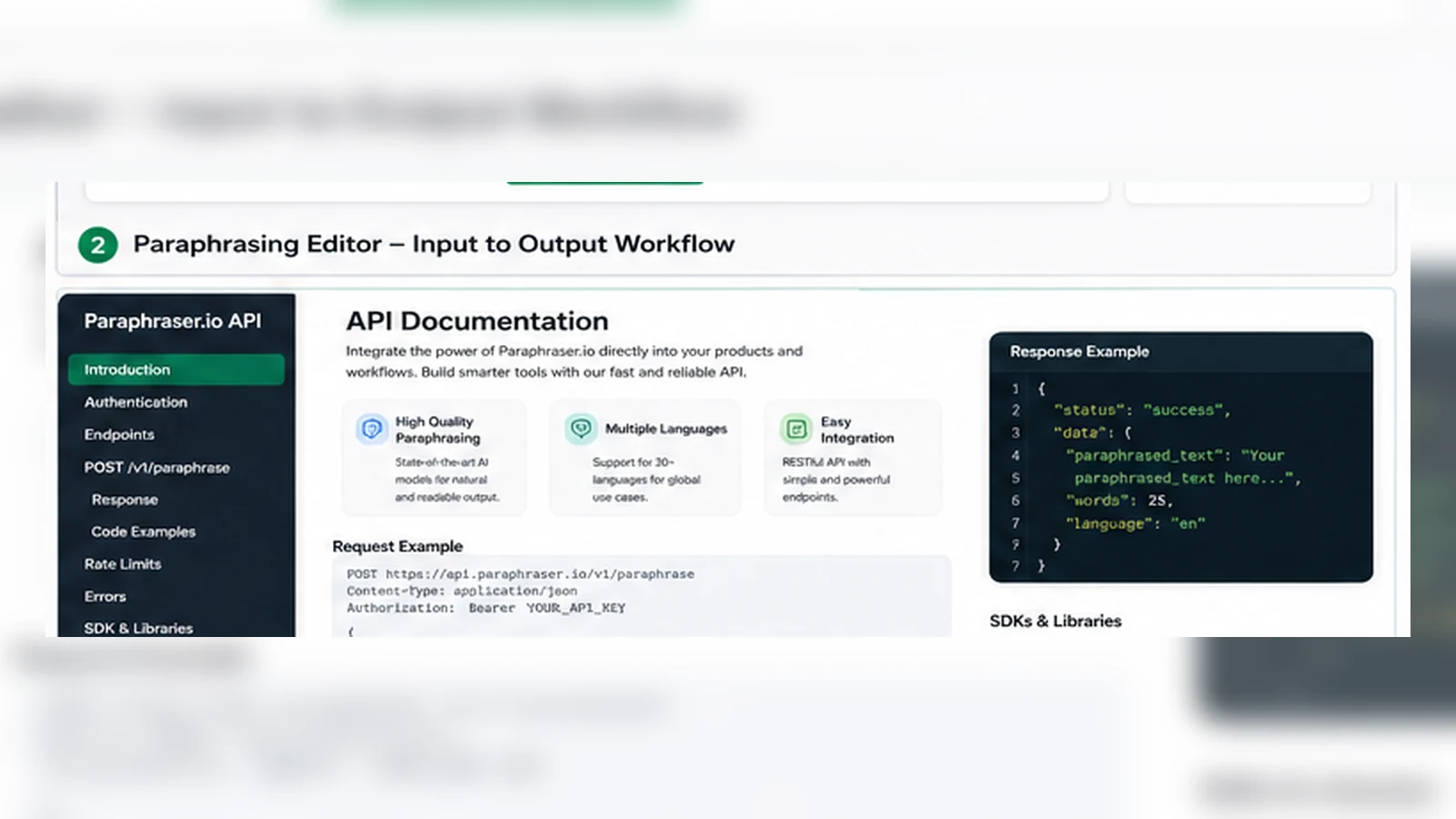
Paraphraser.io is a simple tool on the surface, but the buying decision is less simple than the interface. A free paraphrasing page may be enough for light rewriting. Paid access starts to make sense only when the buyer needs higher limits, fewer interruptions, broader modes, or API access. This store page keeps that decision narrow: test the workflow first, then check the plan table, then decide whether the paid route is justified.
What Paraphraser.io actually does
Paraphraser.io rewrites sentences, paragraphs, and longer text by changing wording and structure while trying to preserve the original meaning. The official page positions it for students, teachers, researchers, copywriters, bloggers, marketers, and webmasters, which is a useful signal: this is not only a copywriting app and not only an academic tool.
The practical buyer question is whether the output reduces editing time. For a student, that may mean rephrasing a rough explanation before checking citations. For a blogger, it may mean reshaping a paragraph that sounds too close to a source. For a marketer, it may mean testing a few different phrasings before a human editor chooses the final version.
- Core workflow is paste, choose a mode, and paraphrase
- Useful when the user already has source text or a rough draft
- Still needs human editing for accuracy, tone, and attribution
Pricing and plan fit
The official pricing page is clear enough to quote, but it should still be treated as a live checkout checkpoint. At the latest refresh, Silver was listed at $4.55 weekly, Gold at $9.55 monthly, and Diamond at $47.52 billed annually. The annual Diamond path looks cheaper on a weekly basis, but it only makes sense when the buyer actually needs the larger word allowance, higher paraphrase limit, API access, or longer validity.
For most buyers, the first decision is not monthly versus annual. It is whether the free tool already solves the job. If the free workflow is enough for occasional rewriting, paying just to remove friction may not be necessary.
- Silver is better suited to short testing or temporary use
- Gold is easier to evaluate as a normal monthly writing utility
- Diamond is the plan to inspect when API access or heavier volume matters
Free access versus paid value
Paraphraser.io has a meaningful free entry point because the main paraphrasing workflow can be tested in the browser. That matters because buyers can judge output quality before paying. The paid value depends on where the free experience becomes too narrow: limits, ads or recaptcha friction, higher word volume, extra plan features, API access, or manager support on higher tiers.
A good buying test is simple. Use the free tool on three real pieces of text: one academic paragraph, one blog section, and one short marketing passage. If the output consistently saves editing time, then the paid tier becomes easier to justify. If the output still needs heavy rewriting, a paid plan may only make the same problem faster.
- Free access is useful for workflow testing
- Paid access should be justified by repeat volume or plan-gated features
- Output quality should be judged on real text, not only demo examples
AI humanizer and adjacent writing tools
The wider Paraphraser.io suite includes more than the main paraphrasing page. The official site also promotes tools such as plagiarism checker, grammar checker, text summarizer, AI essay writer, and AI humanizer. That broader suite is useful for buyers who want one writing-support toolbox instead of separate tabs for every step.
The caution is that adjacent tools can make the product feel broader than the buyer's real need. If the main job is only paraphrasing a few paragraphs, the extra tools are a bonus. If the job is a recurring academic or SEO workflow, they may become part of the reason to keep using the platform.
- AI humanizer is positioned as a free supporting utility
- Plagiarism and grammar tools can support review after rewriting
- The suite is more useful when the buyer has a repeatable writing workflow
Watch the academic workflow before using it seriously
For academic users, the biggest risk is treating paraphrasing as a shortcut around citation or originality rules. A separate tutorial-style video is useful here because it shows the tool in a real writing context, not just as a pricing-page feature. Watch for how the text is entered, how the rewrite is checked, and whether the user still reviews the result before treating it as final.
The buyer-safe approach is to use Paraphraser.io as a drafting aid. It can help restate an idea, but it does not remove the need to cite sources, check meaning, and follow school or publisher rules.
Refund, API, and checkout checks
Paraphraser.io's refund policy is one of the most important commercial details on this page. The published policy says refunds are not offered after purchasing the Premium Subscription, so buyers should treat the free test and plan review as the real safety net.
API access is the other detail to verify. The API documentation exists and shows integration examples, but pricing table access is not equal across every plan. Technical buyers should confirm the current API plan gate, language support, and expected usage volume before paying for an integration workflow.
- Read the refund policy before purchasing
- Confirm API access on the current plan table
- Check word limits and paraphrase limits before annual billing
- Use the review page first when workflow fit is still unclear
Best savings path from this store page
This is the clearest savings route to check once the product already looks like a fit.
Paraphraser.io lists Diamond as the lowest weekly-equivalent plan, billed annually at $47.52, with higher word allowance, larger paraphrase limits, API access, and a dedicated manager.
$9.55/month for the Gold plan.
$4.55/week for short-term use.
Use comparison routes when the category fit is still open
Use these comparison routes when the product still looks plausible, but the category fit is not fully settled.
Scribbr is the cleaner comparison when the buyer's main concern is academic writing support, citation discipline, and student-facing editorial tools.
Originality.ai is the better next tab when the buyer cares more about plagiarism and AI detection checks than rewriting text.
Copyleaks is stronger for buyers comparing detection, originality, and institutional review workflows rather than a lightweight paraphrasing editor.
Copy.ai is more relevant when the buyer wants marketing copy generation and workflow automation, not only sentence-level paraphrasing.
Verification points worth checking before you click out
Where this store usually fits best in the workflow
Students can use Paraphraser.io to restate rough explanations or improve flow, but they still need to cite sources and check whether the rewritten meaning is accurate.
Bloggers can use the tool to reshape source-inspired paragraphs, refresh wording, or create alternate versions before a human editor finalizes the section.
Marketers can test different wording for short copy, captions, or campaign angles when they already have a base message and need a few cleaner alternatives.
Technical buyers can inspect the API documentation when they need paraphrasing inside another platform, but plan access and volume limits should be verified first.
Practical checkpoints before and after signup
- Choose a real sample from your everyday writing, not a polished demo paragraph.
- Run the free workflow first and check whether the output actually reduces editing time.
- Compare weekly, monthly, and annual pricing against expected word volume.
- Check paraphrase limits, plagiarism limits, API access, and dedicated manager notes before choosing a plan.
- Start with the narrowest paid use case that clearly saves time.
- Keep a manual review step for meaning, citation, tone, and originality.
- Recheck whether the paid plan is still used often enough to justify renewal.
- Review official pricing and refund terms again because commercial details can change.
Fast-read signals for workflow fit and buying friction
Questions readers usually ask before choosing this store
Is Paraphraser.io free to use?
Yes, Paraphraser.io offers free web paraphrasing, which is the best first step for light users. Paid plans make more sense when the buyer needs higher limits, fewer workflow interruptions, API access, or repeat use.
What is the best Paraphraser.io plan to check first?
Start with the free tool, then compare Silver, Gold, and Diamond against real usage. Silver fits short testing, Gold is easier to judge as a monthly writing utility, and Diamond deserves attention when annual billing, higher limits, or API access matter.
Does Paraphraser.io offer refunds?
Paraphraser.io publishes a refund policy, but it states that refunds are not offered after purchasing the Premium Subscription. Buyers should test the free workflow and read the policy before paying.
Does Paraphraser.io have API access?
Yes, Paraphraser.io has official paraphrasing API documentation. Buyers who need integration should confirm the current plan gate, language support, and expected usage limits before choosing a paid tier.
What should I compare before choosing Paraphraser.io?
Compare Paraphraser.io against tools that match your real need. Scribbr is a more academic-writing-oriented check, Originality.ai and Copyleaks are stronger originality/detection checks, and Copy.ai is more relevant for marketing content generation.
Choose the next route that matches what you still need to decide
The strongest next click depends on whether you still need product judgment, a savings route, or a broader category comparison.